Woodwork
Wood Painting & Staining in Newcastle
From skirting boards to staircases, woodwork is often the detail that makes or breaks a finished room. Our team brings 45 years of combined experience to wood painting and staining across Newcastle, with every surface properly prepared for a smooth, lasting finish.
◈ 45 Years Combined Experience
◈ 12-Month Guarantee
◈ £10 Million Public Liability Insurance
◈ 700 + Completed Projects
Why North & Sons
Why Choose North & Sons for Wood Painting & Staining
Woodwork takes a different kind of attention to walls, it flexes, it marks easily, and a rushed finish shows up fast.
Precise, Clean Detail Work
Skirting, doors, frames and staircases finished with care around every edge, corner and join, for a result that holds up close inspection.
The Right Product for the Job
Paint or stain chosen to suit the wood and how it’s used, from a smooth painted finish to a stain that lets the natural grain show through.
Built to Handle Daily Wear
Doors, frames and staircases take more knocks and scuffs than walls ever do, so we use finishes built to withstand everyday use.
What's Included
Our Wood Painting & Staining Service
North & Sons provides wood painting and staining across Newcastle and the surrounding areas, covering everything from skirting boards to full staircases.
- Filling & repair of damaged wood
- Sanding & surface preparation
- Skirting boards & architrave
- Doors & door frames
- Staircases & handrails
- Window frames & sills
- Cladding painting & staining
- Furniture & cabinetry (MDF units)
- Fascias & soffits
- Timber panelling
Choosing the Right Finish
Wood Paint, Stain or Varnish, What's the Difference?
Not every piece of woodwork needs the same treatment, the right finish depends on the wood, the room, and the look you’re after.
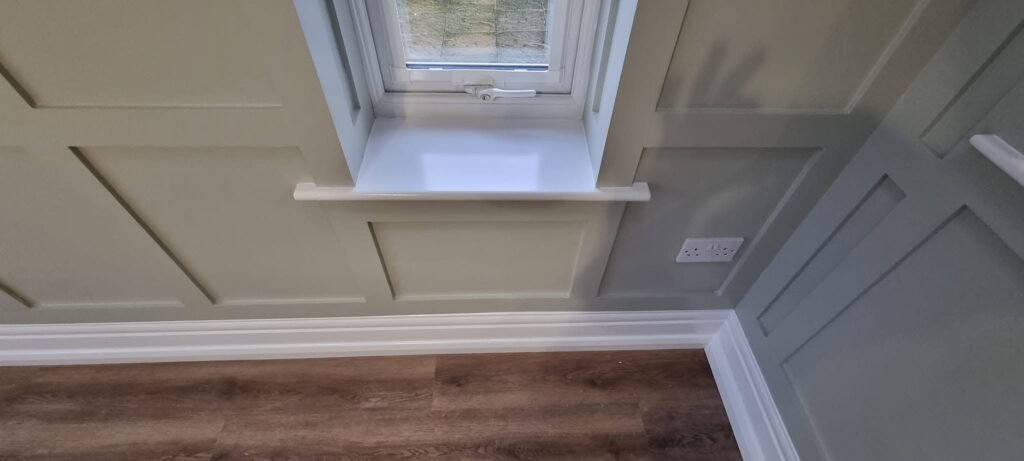
Wood Paint
A solid, opaque finish available in any colour, ideal for skirting, doors and frames where you want a clean, consistent look that matches your walls or trim scheme.
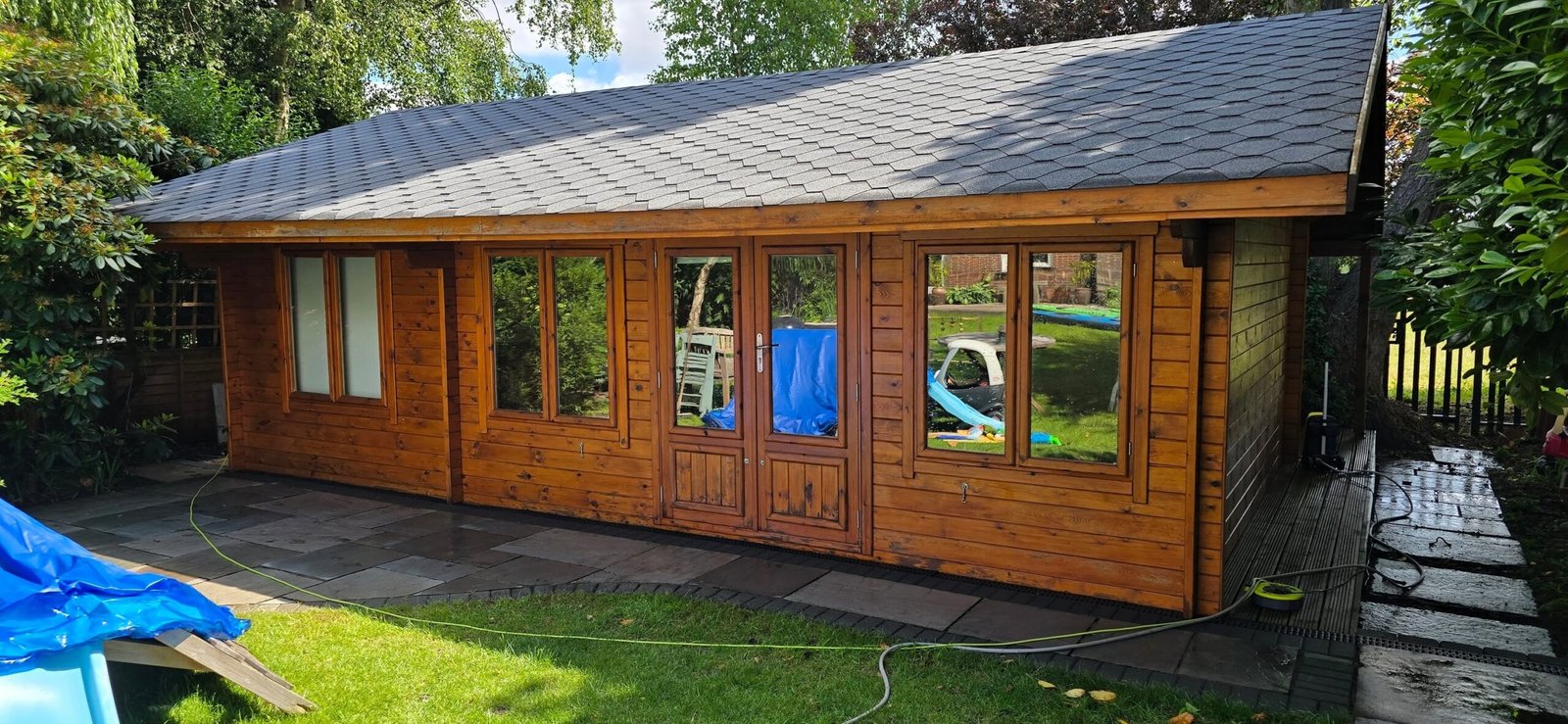
Wood Stain
Soaks into the timber rather than sitting on top, enhancing the natural grain while still offering protection, a popular choice for staircases and feature woodwork where the wood itself is the feature.
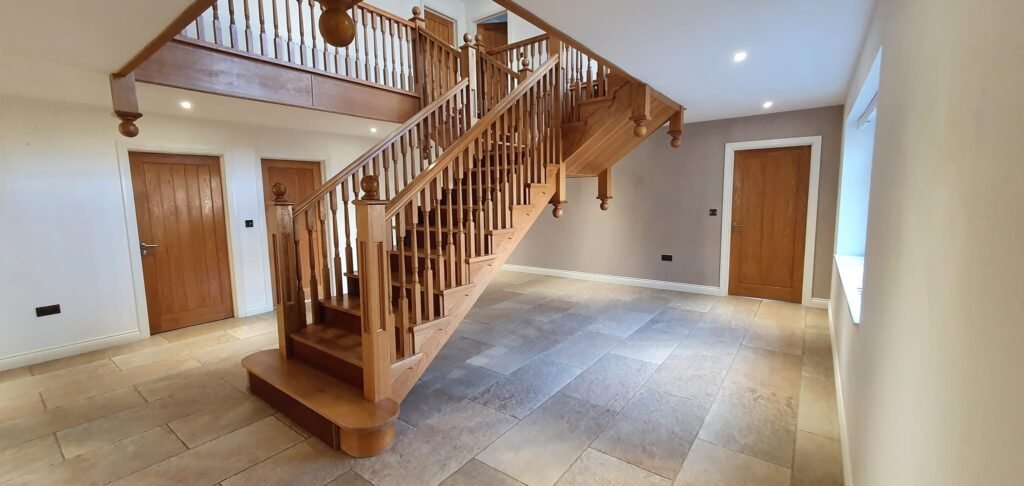
Varnish
A clear, protective topcoat that adds durability and sheen without changing the wood’s colour, often used over stained wood or bare timber that’s being kept natural.
Local Knowledge
Wood Painting & Staining Across Newcastle's Properties
Traditional terraces in areas like Tynemouth and Whitley Bay often have original wooden staircases, skirting and picture rails, period detail that’s worth staining or painting carefully to preserve, rather than covering over.
Flats in Newcastle commonly have shared doors and stairwells where woodwork takes extra wear from daily use and needs a durable, easy-to-maintain finish.
Ponteland’s larger homes often feature more extensive staircases, panelling and feature woodwork, giving more scope for a stain finish that shows off the timber itself.
In older Killingworth homes, it’s common to find old yellowing gloss on internal woodwork, along with external wood soffits and fascias starting to flake.
Wherever you’re based, whether that’s Newcastle, Gosforth, Whitley Bay, Tynemouth or the surrounding areas, every job gets the same level of care and finish.
Hand-Painted MDF
Hand-Painted MDF & Bespoke Joinery
Perfectly flat, furniture-grade finishes on MDF panelling, fitted wardrobes, media walls and bespoke joinery, all hand-painted using traditional brush and roller techniques.
Every project follows a meticulous preparation process to achieve a flawless finish:
- All joints, screw holes and surface imperfections are filled to create a perfectly even base.
- Exposed MDF edges are professionally sealed to prevent paint absorption and ensure a uniform finish.
- The entire surface is carefully sanded before priming to remove imperfections and create the ideal foundation.
- Specialist trade primers are applied to maximise adhesion and build a smooth, consistent base.
- Dustless sanding is carried out between every coat to remove raised fibres and leave an exceptionally smooth surface ready for the next application.
- Premium self-levelling topcoats are applied using brush and roller techniques to produce a durable, furniture-grade finish with virtually no visible brush marks or roller texture.
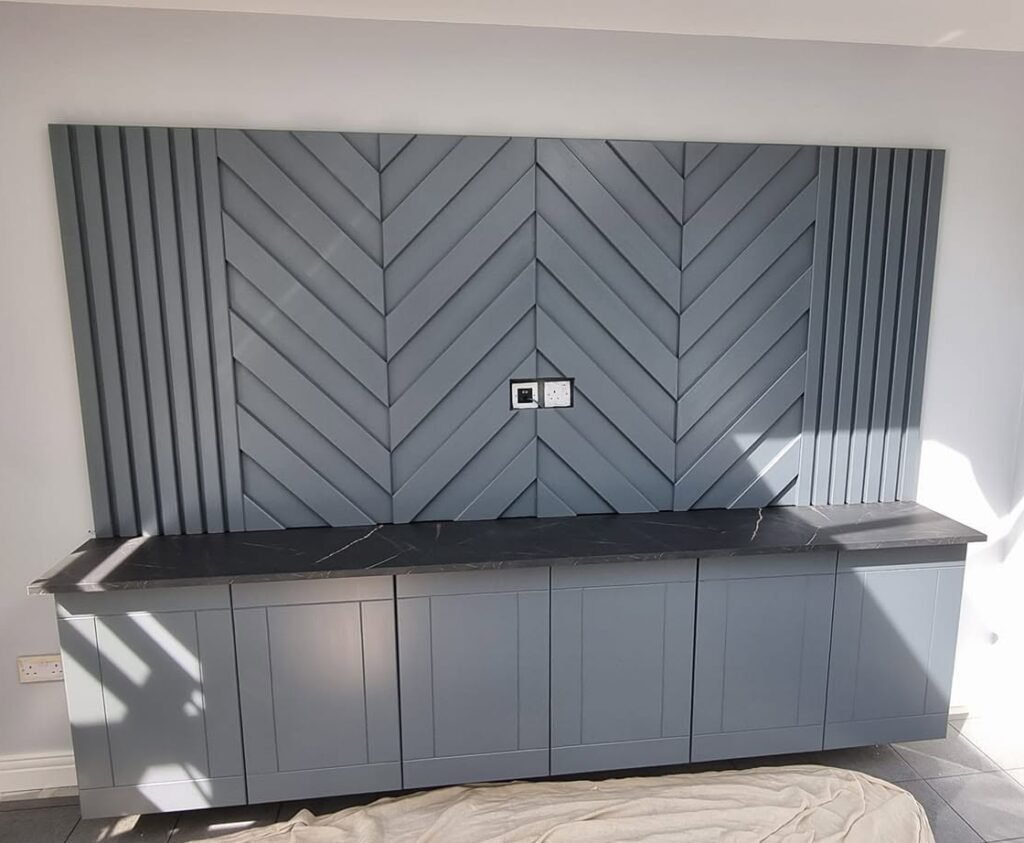
We use premium self-levelling paints such as Benjamin Moore Advance, renowned for their exceptional flow, durability and smooth finish. The result is a beautifully level surface that enhances the craftsmanship of the joinery while standing up to everyday wear and tear.
It’s the difference between painted MDF and a finish that looks factory-made, built to handle daily use and stay looking its best for years to come.
Not Sure If It's Time?
Signs Your Woodwork Needs Attention
Yellowing gloss —oil-based gloss can discolour with age, particularly in areas with limited natural light.
Cracking or peeling paint — particularly around joints, edges and high-movement areas like doors and window frames
Swelling or sticking doors — often a sign moisture is getting into unprotected timber
Flaking fascias and soffits — exposed to the weather, these tend to show wear before the rest of the property
Faded or patchy stain — UV exposure breaks stain down over time, especially on south-facing woodwork
Draughty window frames — can point to failing seals or paintwork that’s no longer doing its job
If you’re spotting any of these, it’s usually more cost-effective to sort it properly now than let it get worse.
Getting the Finish Right
Wood Paint Sheens Explained

Eggshell
A soft, low sheen finish, offering a subtle, understated look on woodwork.

Satin
Slightly more shine than eggshell, with added durability and easy cleaning, well suited to skirting, doors and frames.

Semi-Gloss
Shinier and more durable again than satin, wipes clean easily and holds up well on high-touch areas like doors and handrails.

Gloss
A high-shine, hard-wearing finish that’s easy to wipe clean, traditionally popular for doors and frames.
A Growing Trend
Wood Panelling and Wainscoting in Newcastle Homes
Wood panelling has become a popular way to add character to a room, wainscoting, tongue and groove, and feature panelled walls are showing up more and more in hallways, living rooms and staircases across Newcastle homes. It brings texture and a bit of traditional charm to a space, and it pairs well with both painted and stained finishes depending on the look you’re after.
Whether you’re adding new panelling or refreshing an existing installation, getting the paint or stain finish right matters just as much as the panelling itself. Every joint is properly filled and primed, and it’s exactly the kind of detail work we excel at, achieving a smooth, seamless finish across every panel.
FAQs
Frequently Asked Questions
Is it better to paint or stain exterior wood?
Whether paint or stain is the better choice depends on the type of timber, its condition and the finish you want to achieve. Paint provides a solid colour and forms a protective coating that helps shield wood from UV rays and moisture, while wood stain penetrates the timber to enhance the natural grain and texture.
Paint is often preferred for fascias, soffits and previously painted woodwork, whereas stains are commonly chosen for fencing, decking, gates and other natural timber features. Selecting the correct product helps improve durability and reduces future maintenance.
A professional decorator will recommend the most suitable finish based on the age, condition and location of the woodwork.
Can varnished wood be painted?
Yes, but varnished wood must be properly prepared before painting. Applying paint directly onto a glossy varnished surface usually results in poor adhesion and an increased risk of peeling.
Preparation typically involves cleaning the surface, lightly sanding to remove the sheen, repairing any defects and applying a suitable adhesion primer before undercoats and topcoats are applied. This creates a stable surface that allows the new paint system to bond effectively.
Correct preparation is the key to achieving a durable finish when converting varnished wood to a painted surface.
Do knots in timber need special treatment before painting?
Yes. Knots should normally be sealed before painting because natural resins can bleed through the paint and cause yellow or brown staining over time.
Professional decorators typically apply a specialist knotting solution or stain-blocking primer before undercoating and finishing the timber. This helps prevent resin bleed while creating a more consistent appearance.
Treating knots correctly is particularly important on softwood doors, skirting boards, window frames and other newly installed timb
What's the difference between wood stain, varnish and paint?
Wood stain, varnish and paint all protect timber, but they achieve this in different ways.
Wood stain penetrates into the timber and enhances the natural grain while adding colour. Varnish forms a clear protective coating that highlights the existing appearance of the wood. Paint completely covers the surface, providing a solid colour finish while protecting the timber from wear and weather.
The best option depends on whether you want to preserve the natural character of the wood or completely change its appearance.
Why is preparation so important when painting woodwork?
Preparation is the foundation of a long-lasting woodwork finish because timber expands, contracts and absorbs moisture differently from plaster or masonry.
Cleaning, sanding, filling, caulking, sealing knots and applying the correct primers all help create a stable surface that allows the paint or stain to bond properly. Skipping these stages often results in brush marks, peeling, cracking or visible imperfections.
At North & Sons, we use professional dustless sanding equipment wherever suitable to capture the vast majority of airborne dust while creating a smooth surface ready for painting. Careful preparation is what produces crisp finishes and improves the longevity of painted woodwork.
Why should I hire a professional to paint or stain my woodwork?
Painting and staining woodwork requires specialist preparation techniques that vary depending on the type, condition and location of the timber.
Professional decorators understand how to identify resinous knots, moisture damage, unstable coatings, rotten timber and surface contamination before choosing suitable primers, stains or paint systems. They also achieve smooth finishes through careful sanding, filling and precise brushwork that can be difficult to replicate with DIY methods.
As a family-run company established in 2015, North & Sons has completed more than 700 decorating projects across Newcastle and the surrounding areas. With over 45 years of combined experience, £10 million public liability insurance and a 12-month workmanship guarantee, customers can be confident their interior and exterior woodwork will receive the care and attention it deserves.
Contact Us